National Responses to COVID-19
COVID-19 virus has infiltrated every aspects of our life, including the ways intergovernmental & corporate organizations are operating. The world is now united by its shared common goal of neutralizing the spread of the virus and its economic consequences, and returning to normalcy. Although governments have responded by imposing a variety of regulations while interacting with relevant organizations to make proper health service assured to the general public, a more comprehensive research on vaccine and the complexities in the interactions between various stakeholders has proven to be more challenging to create efficient and timely outputs. When different stakeholders (i.e. governments, organizations, and the public) are interacting with each other, a systems thinking process needs to be applied to capture the nuances of the interactions and the subsequent emergent behavior to effectively contribute to the system output (i.e. a safer way of life). This paper applied a system-thinking-inspired process called System Theoretic Process Analysis (STPA) to analyze the current response to the COVID-19 pandemic. The analysis is taking into account various stakeholders as a part of the system, and it focuses more on the interactions among different stakeholders (i.e. functional blocks) within the system - i.e. ‘Government’, ‘Foreign Governments’, ‘Organizations’, and ‘General Public’, as well as the interactions with ‘W.H.O’. The STPA analysis found 236 potential Unsafe Control Actions (UCAs) (or unsafe interactions) among the stakeholder interactions, each of which is then further to be analyzed. In total, 1,440 causal factors of the UCAs were identified, and 2,880 requirements were proposed to avoid such unsafe interactions.
1. System Information
The target of this STPA analysis is National Responses to COVID-19 Pandemic. The following picture is the system information screen where the abstract for the analysis will be described in general.
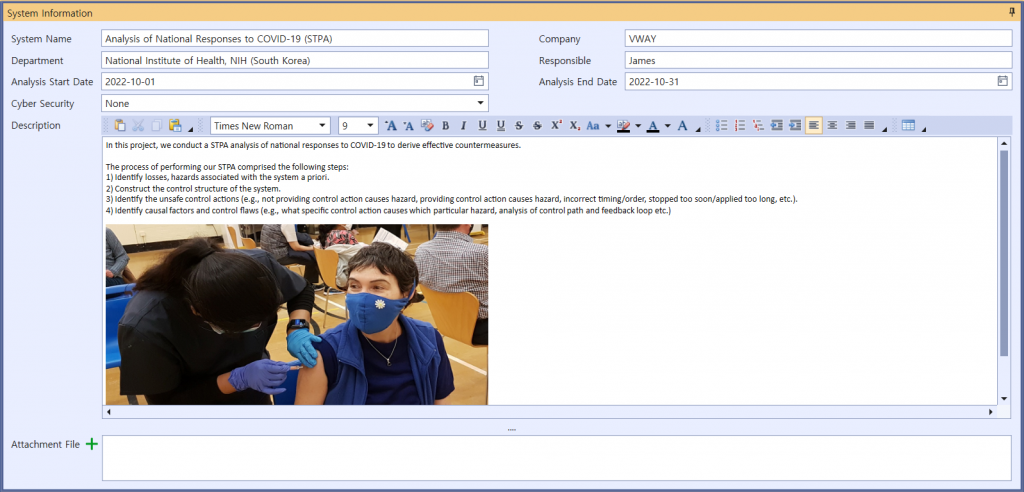
Picture 1. System information of national responses to COVID-19
1. Identify Losses & Hazards
The possible Losses of national responses to COVID-19 are identified as follows:
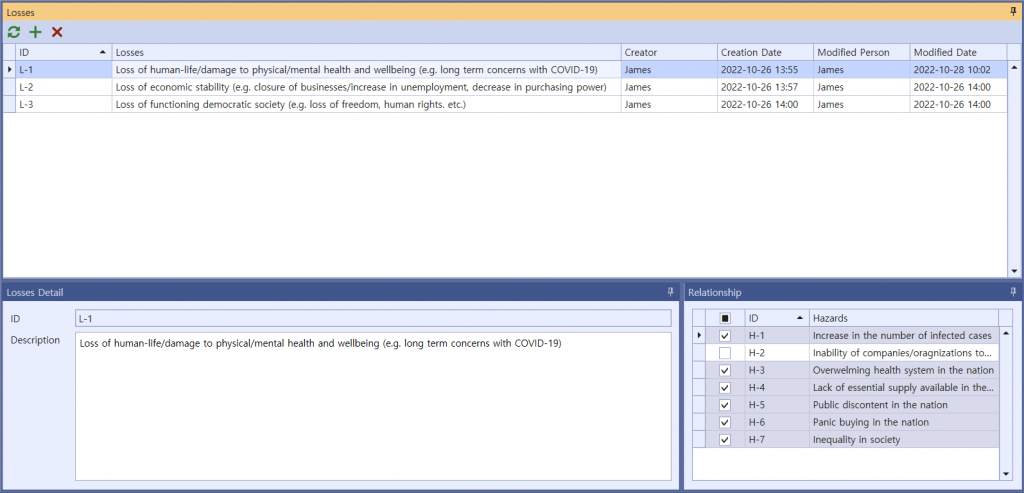
Picture 2. Identifying Losses of National Responses to COVID-19
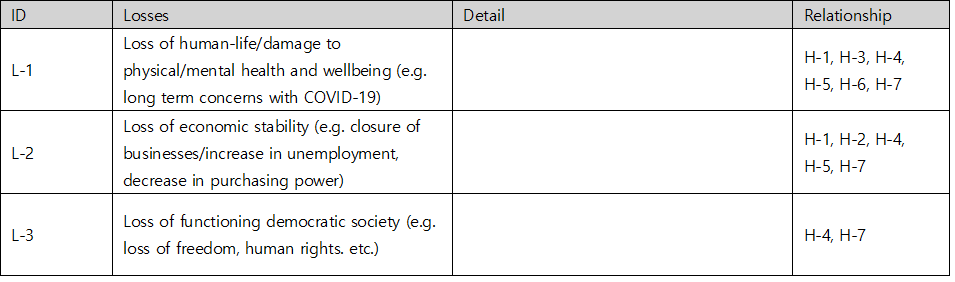
Table 1. Losses table of National Responses.
Seven Hazards can be identified for a system of National Responses, each of which then creates a traceable relationship with Losses. The identified hazards are as follows :
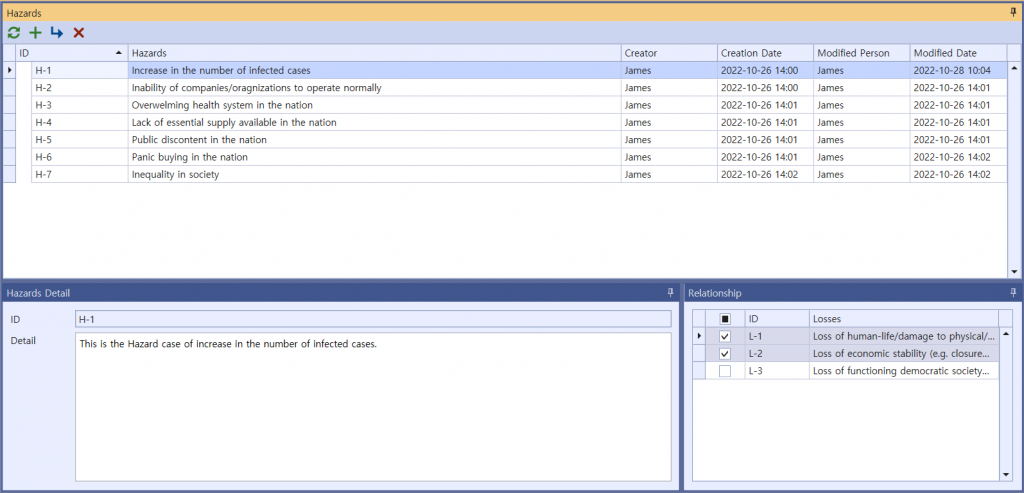
Picture 3. Identifying Hazards of National Responses
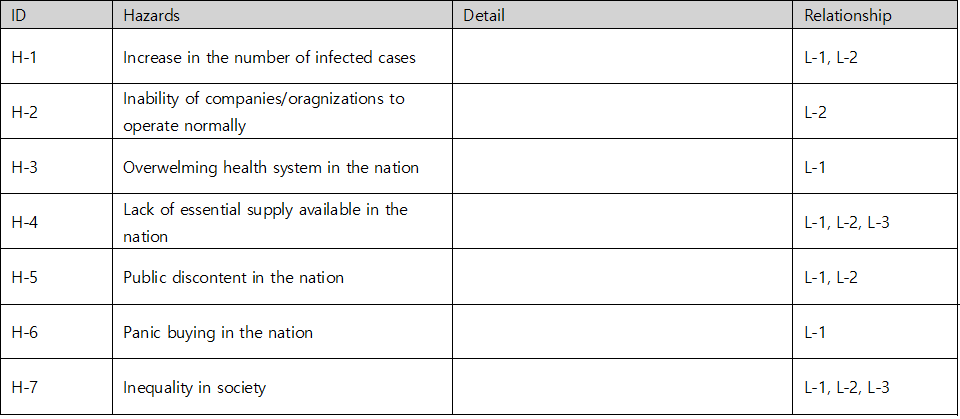
Table 2. Hazards table of National Responses.
2. Control Structure Modelling
The next step is to build a model of the system called a control structure. A control structure captures functional relationships and interactions by modeling the system as a set of feedback control loops. The control structure usually begins at a very abstract level and then is through iteration refined to capture more detail about the system. This step does not change regardless of whether STPA is being applied to safety, security, privacy, or other properties. A high-level control structure of the system under analysis is illustrated below. There are several control loops captured in the control structure, such as the control loop between ‘Government’ and ‘Organizations’, between ‘Local Authorities & Councils’ and ‘Organizations’, and between ‘Organizations’ and ‘General Public’. The control structure at this abstraction level includes many CAs.
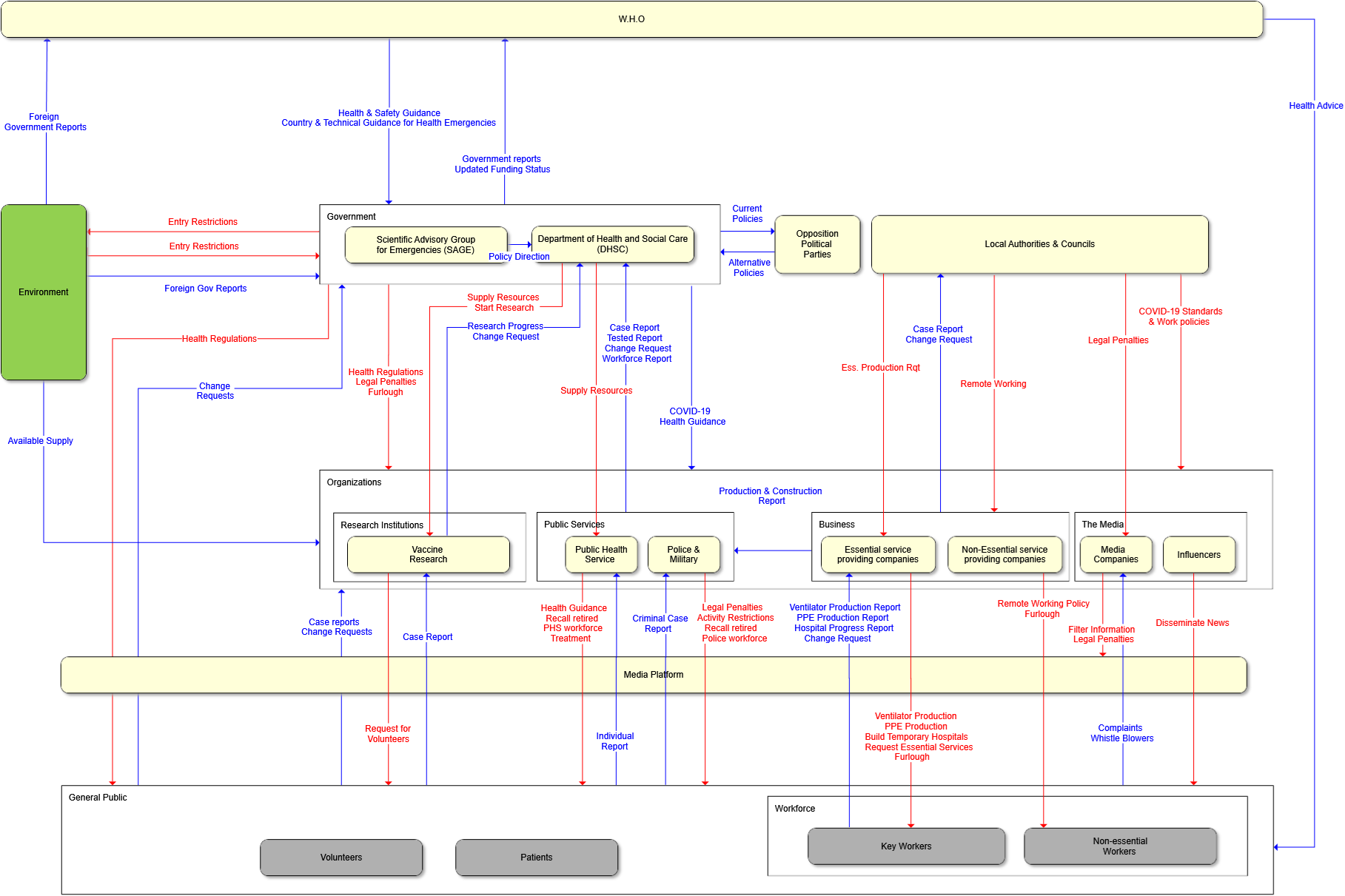
Picture 4. STPA Control Structure Diagram for National Responses
3. Identify UCA
The following step identifies Unsafe Control Action (UCA). Accorting to STPA methodology, UCA is created into four types (Not providing causes hazard / Providing causes hazard / Too early, too late, out of order / Stopped too soon, applied too long). Three packs of UCAs for three Control Actions will be given below.
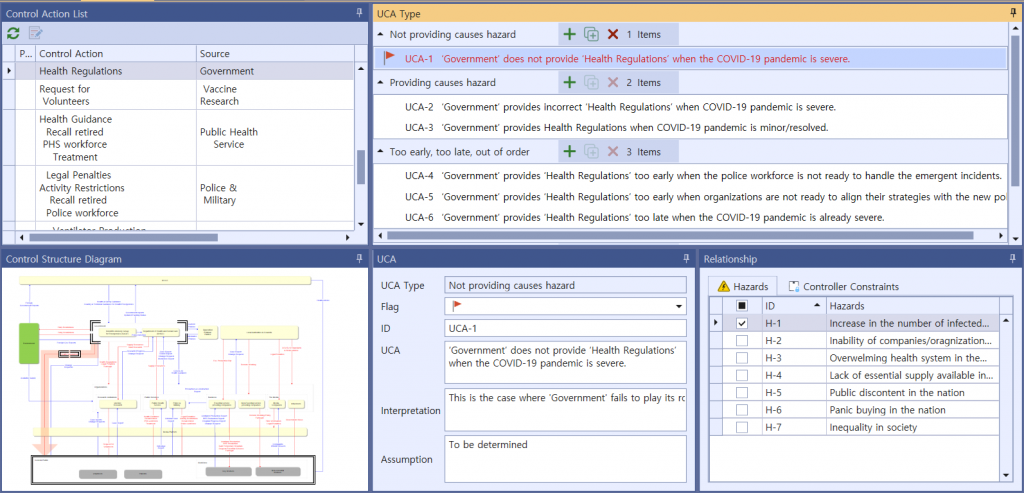
Picture 5. Identifying UCAs of National Responses
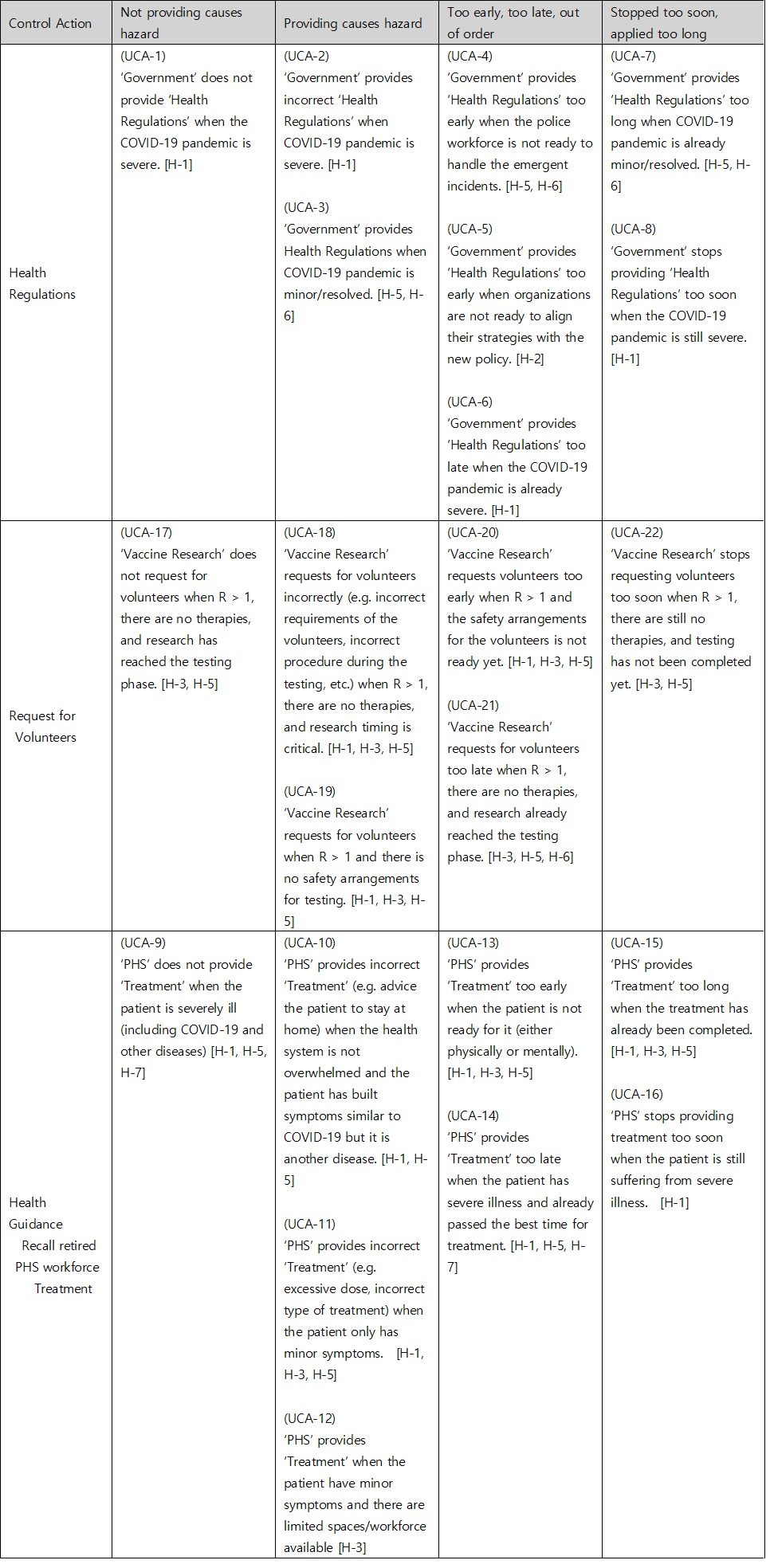
Table 3. UCA table of National Responses
4. Identify Loss Scenario
Once you have identified an UCA, you should create a scenario that causes it. STPA refers this as a Loss Scenario and can be written by referring to a Guide Word, etc. that causes a Loss Scenario provided by the Handbook. Below are some of the possible Loss Scenario in UCA1 :‘Government’ does not provide ‘Health Regulations’ when the COVID-19 pandemic is severe.
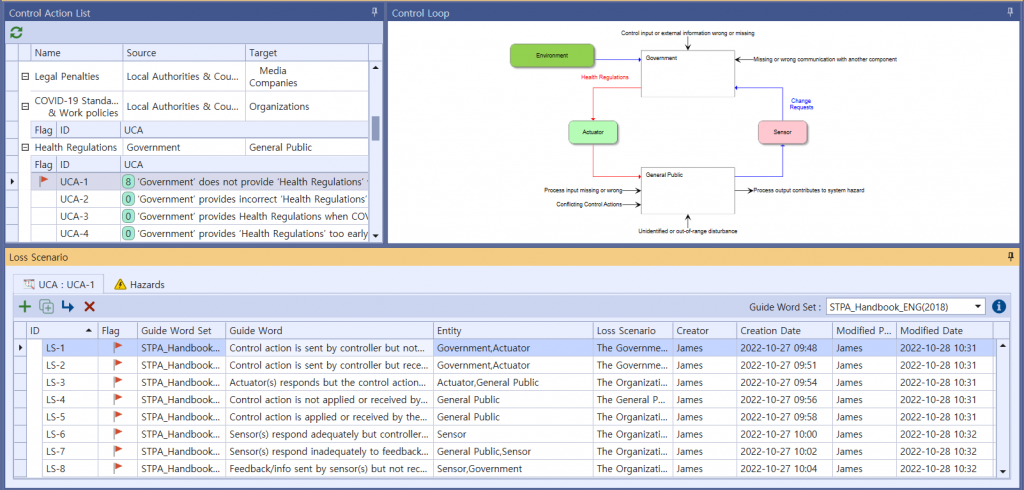
Picture 6. Identifying Loss Scenarios of National Responses
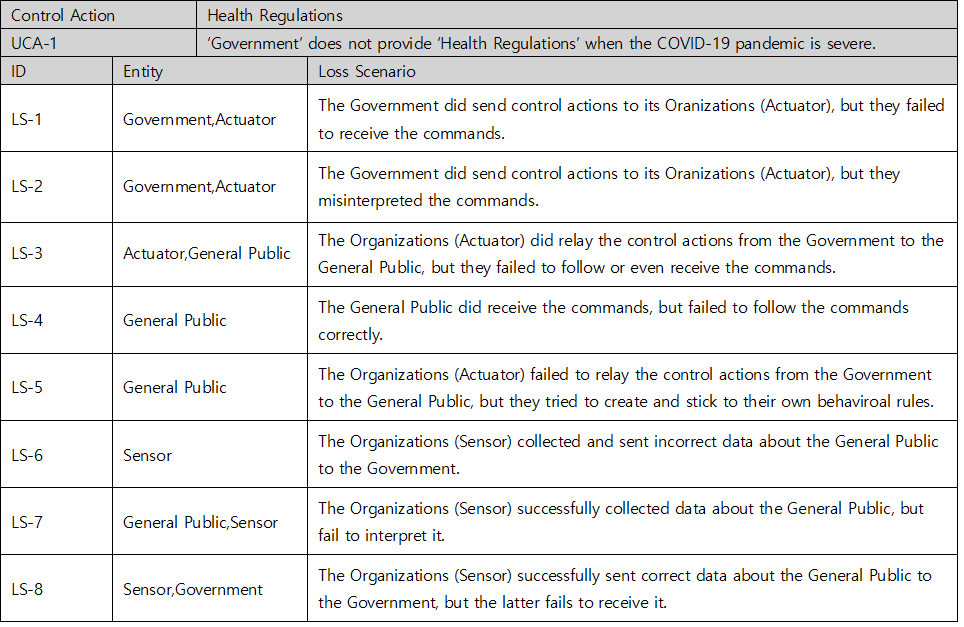
Table 4. Loss Scenario table of National Responses
Conclusion
Human life is already going with the virus. Despite central and local governments’ efforts to propose relevant regulations to control the spread of the virus and to shake the countries out of their deflationary psyche, the complex nature of the interactions between the stakeholders (i.e. governments, organizations, and public) poses a lot of challenges to the stakeholders towards appropriate solutions. The STPA for the pandemic was therefore initiated to identify improvements needed to neutralize the spread and the economic depression. In this paper, we presented the control structure at two levels. We then presented three example UCAs from three different stakeholders of the system – i.e. ‘Government’, ‘PHS’, and ‘Vaccine Research’. It was also emphasized that each UCA could be triggered by a diverse range of causal factors (CF), including miscommunications, flawed processes, processing delays, misinterpreted CAs, while the failure of the controller only represents a small part of the CFs. For each CF identified, the requirements to avoid or to minimize the potential hazardous effects of the CF were proposed. This includes the requirements on ‘Government’ to ensure that they are aware of the updated status of ‘Police & Military’ before updating any regulations, and the requirements on ‘PHS’ to ensure that accurate information of patients’ status is always acquired before providing any advice or treatments.
Shufeng Chen,⁎ Siddartha Khastgir, and Paul Jennings, “Analyzing National Responses to COVID-19 Pandemic using STPA”, UK, 2021



National Responses to COVID-19
COVID-19 virus has infiltrated every aspects of our life, including the ways intergovernmental & corporate organizations are operating. The world is now united by its shared common goal of neutralizing the spread of the virus and its economic consequences, and returning to normalcy. Although governments have responded by imposing a variety of regulations while interacting with relevant organizations to make proper health service assured to the general public, a more comprehensive research on vaccine and the complexities in the interactions between various stakeholders has proven to be more challenging to create efficient and timely outputs. When different stakeholders (i.e. governments, organizations, and the public) are interacting with each other, a systems thinking process needs to be applied to capture the nuances of the interactions and the subsequent emergent behavior to effectively contribute to the system output (i.e. a safer way of life). This paper applied a system-thinking-inspired process called System Theoretic Process Analysis (STPA) to analyze the current response to the COVID-19 pandemic. The analysis is taking into account various stakeholders as a part of the system, and it focuses more on the interactions among different stakeholders (i.e. functional blocks) within the system - i.e. ‘Government’, ‘Foreign Governments’, ‘Organizations’, and ‘General Public’, as well as the interactions with ‘W.H.O’. The STPA analysis found 236 potential Unsafe Control Actions (UCAs) (or unsafe interactions) among the stakeholder interactions, each of which is then further to be analyzed. In total, 1,440 causal factors of the UCAs were identified, and 2,880 requirements were proposed to avoid such unsafe interactions.
1. System Information
The target of this STPA analysis is National Responses to COVID-19 Pandemic. The following picture is the system information screen where the abstract for the analysis will be described in general.
Picture 1. System information of national responses to COVID-19
1. Identify Losses & Hazards
The possible Losses of national responses to COVID-19 are identified as follows:
Picture 2. Identifying Losses of National Responses to COVID-19
Table 1. Losses table of National Responses.
Seven Hazards can be identified for a system of National Responses, each of which then creates a traceable relationship with Losses. The identified hazards are as follows :
Picture 3. Identifying Hazards of National Responses
Table 2. Hazards table of National Responses.
2. Control Structure Modelling
The next step is to build a model of the system called a control structure. A control structure captures functional relationships and interactions by modeling the system as a set of feedback control loops. The control structure usually begins at a very abstract level and then is through iteration refined to capture more detail about the system. This step does not change regardless of whether STPA is being applied to safety, security, privacy, or other properties. A high-level control structure of the system under analysis is illustrated below. There are several control loops captured in the control structure, such as the control loop between ‘Government’ and ‘Organizations’, between ‘Local Authorities & Councils’ and ‘Organizations’, and between ‘Organizations’ and ‘General Public’. The control structure at this abstraction level includes many CAs.
Picture 4. STPA Control Structure Diagram for National Responses
3. Identify UCA
The following step identifies Unsafe Control Action (UCA). Accorting to STPA methodology, UCA is created into four types (Not providing causes hazard / Providing causes hazard / Too early, too late, out of order / Stopped too soon, applied too long). Three packs of UCAs for three Control Actions will be given below.
Picture 5. Identifying UCAs of National Responses
Table 3. UCA table of National Responses
4. Identify Loss Scenario
Once you have identified an UCA, you should create a scenario that causes it. STPA refers this as a Loss Scenario and can be written by referring to a Guide Word, etc. that causes a Loss Scenario provided by the Handbook. Below are some of the possible Loss Scenario in UCA1 :‘Government’ does not provide ‘Health Regulations’ when the COVID-19 pandemic is severe.
Picture 6. Identifying Loss Scenarios of National Responses
Table 4. Loss Scenario table of National Responses
Conclusion
Human life is already going with the virus. Despite central and local governments’ efforts to propose relevant regulations to control the spread of the virus and to shake the countries out of their deflationary psyche, the complex nature of the interactions between the stakeholders (i.e. governments, organizations, and public) poses a lot of challenges to the stakeholders towards appropriate solutions. The STPA for the pandemic was therefore initiated to identify improvements needed to neutralize the spread and the economic depression. In this paper, we presented the control structure at two levels. We then presented three example UCAs from three different stakeholders of the system – i.e. ‘Government’, ‘PHS’, and ‘Vaccine Research’. It was also emphasized that each UCA could be triggered by a diverse range of causal factors (CF), including miscommunications, flawed processes, processing delays, misinterpreted CAs, while the failure of the controller only represents a small part of the CFs. For each CF identified, the requirements to avoid or to minimize the potential hazardous effects of the CF were proposed. This includes the requirements on ‘Government’ to ensure that they are aware of the updated status of ‘Police & Military’ before updating any regulations, and the requirements on ‘PHS’ to ensure that accurate information of patients’ status is always acquired before providing any advice or treatments.
Shufeng Chen,⁎ Siddartha Khastgir, and Paul Jennings, “Analyzing National Responses to COVID-19 Pandemic using STPA”, UK, 2021